


So, you're thinking about ducted air conditioning? The first question that always comes up is, "What's this actually going to cost me?" It's a fair question. For a fully installed ducted system in a standard New South Wales home, you're typically looking at a range of $9,000 to $20,000. This covers the whole lot: the unit, all the ductwork, the vents, and the professional labour to get it running perfectly.
As experts with over 15 years of experience on the Central Coast, we want to give you a clear, honest guide. We'll walk you through what drives the cost, how it compares to other options, and what you should look for in a quote. This way, you can make an informed decision for your home and family.
Typical Ducted Air Conditioning Prices In NSW
When you start researching ducted air conditioning prices, you’ll find the figures vary. That’s because every home is unique, but we can give you a solid starting point for your budget. These prices are an all-inclusive guide, covering everything needed to get your system up and running, from the outdoor unit to the final electrical sign-off by a licensed professional.
For homeowners across the Central Coast, Sydney, Newcastle, and the Hunter Valley, understanding these costs is the first step to making a smart decision. The initial investment might feel significant, but it's a long-term upgrade that adds serious comfort and value to your property. A properly installed system delivers seamless, whole-home climate control that’s both quiet and incredibly efficient.
This chart breaks down what you can expect to invest based on the size of your home.
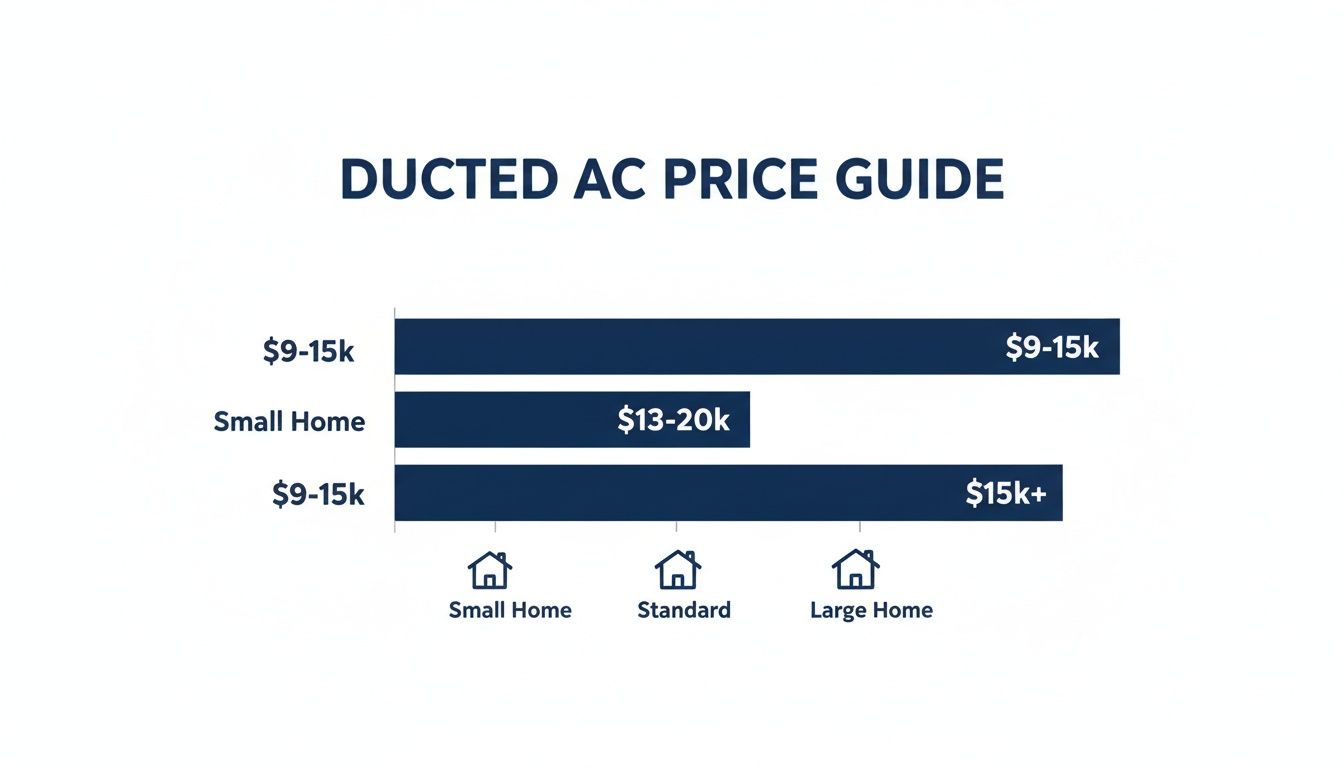
As you can see, the investment scales with the size of your home. A larger home naturally needs a more powerful unit and more extensive ductwork to keep every corner comfortable.
Typical Ducted Air Conditioning Price Ranges In NSW (Supply & Install)
Location plays a big part in the final figure. Here’s a more detailed breakdown of what you can expect to pay for a complete ducted system in our main service areas.
| Home Size / Type | Typical Price Range (Central Coast / Newcastle) | Typical Price Range (Sydney Metro) |
|---|---|---|
| Small Home (2-3 Bedrooms) | $9,000 – $14,000 | $10,000 – $15,000 |
| Standard Home (3-4 Bedrooms) | $13,000 – $18,000 | $15,000 – $20,000 |
| Large Home (4-5+ Bedrooms) | $16,000 – $22,000+ | $18,000 – $25,000+ |
These figures give you a realistic idea of the investment required. The price difference between Sydney and regional areas like the Central Coast often comes down to higher labour costs and the added complexity of working in denser suburbs.
Putting Your Budget In Context
It's useful to look at this investment alongside other major home improvement projects. To get a better handle on ducted air conditioning prices, you can draw a parallel with other significant construction costs, like those outlined in a guide to the cost to build a house in NSW. Both require careful budgeting and a focus on long-term value.
Ultimately, the only way to get a precise figure is with a professional assessment. A quote from an experienced team like ours at ALC Air will take into account your home’s specific layout, insulation, and your family's comfort needs. This ensures the price you get is accurate and tailored specifically to you.
What Really Drives The Final Price Of Your System?
So you've gathered a few quotes for a new ducted system, and you’ve probably noticed they can vary by thousands of dollars. It’s completely natural to wonder why. The final price tag isn't just about the brand name on the box; it's a careful balance of several key factors that dictate how well the system will actually perform in your home.
Understanding these cost drivers helps you see exactly where your money is going. More importantly, it helps you see why the cheapest quote often isn't the best value in the long run. Let's pull back the curtain and break down what really shapes the ducted air conditioning prices you receive.
System Size And Capacity (kW)
The single biggest factor influencing the cost is the system's size, or capacity. This is measured in kilowatts (kW), and it has nothing to do with physical dimensions. It’s all about the unit's raw power to add or remove heat from your home. A sprawling family home with high ceilings and big north-facing windows in the Hunter Valley needs a much beefier system than a compact, well-insulated villa in Newcastle.
Getting this right is absolutely critical. An undersized unit will be a false economy, running flat-out on hot days without ever hitting the temperature you’ve set, all while sending your power bills through the roof. On the flip side, an oversized unit is just as bad. It will blast the room with cold air too quickly, shutting off before it has a chance to properly dehumidify, leaving you with that cold, clammy feeling. This is precisely why a professional heat load calculation is the non-negotiable first step.
Why It Matters: A proper heat load calculation looks at everything: your home's orientation, window sizes, insulation quality, and local climate. This science-backed approach ensures you get a system that’s perfectly matched to your needs, running efficiently for years without unnecessary wear and tear.
Your Choice Of Brand
Just like buying a car or a new fridge, the brand you choose directly impacts the price. At ALC Air, we stick with trusted names like Daikin, Mitsubishi Electric, and ActronAir. We choose them because they have a proven track record in Australia for rock-solid reliability, top-tier performance, and excellent after-sales support.
Premium brands tend to invest heavily in research and development. This translates into real-world benefits like quieter operation, better energy efficiency, and more advanced features. While they might have a higher upfront cost, their long-term reliability and lower running costs often make them a much smarter investment over the system's 10 to 15-year lifespan.
Zones And Outlets
Zoning is where a ducted reverse cycle system truly shines. It allows you to divide your home into different areas and control the airflow to each one independently. This means you can keep the living areas comfortable during the day and then switch to conditioning only the bedrooms at night, saving a huge amount of energy.
Naturally, the number of zones and outlets (the vents in your ceiling or floor) affects the final cost. Each additional zone requires its own motorised damper, control panel, and the extra labour to install and wire it all up. More outlets mean more ductwork and components. For example, a system for a four-bedroom home in Terrigal with three distinct zones will cost more than a single-zone system for a two-bedroom apartment in Hornsby.
The Complexity Of The Installation
No two installations are ever the same. The complexity of the job is a huge factor in the final price, and this is where the skill of your installer really comes into play. Several things can make an installation more challenging and, therefore, more expensive.
- Roof Space: Tight, cluttered, or difficult-to-access roof cavities demand more time and effort from the team to run ductwork and position the indoor unit.
- Property Type: A two-storey home in Sydney presents more hurdles than a single-storey house on the Central Coast, as running ducts between floors requires careful planning and extra materials.
- Existing Structure: Working around existing beams, pipes, and old wiring in an established home requires more labour than a new build with wide-open access.
- Electrical Work: Your home's switchboard might need an upgrade to handle the electrical load of a new ducted system. This work must be done by a licensed electrician to comply with Australian Standards (AS/NZS 3000).
These variables are often detailed in your quote. It helps to understand that a ducted system is often treated as a prime cost item in a building or renovation budget, which clarifies why initial estimates can shift once all the specific, high-quality components are accounted for. We believe in transparency, which is why we provide fixed, upfront pricing so you know exactly what to expect.
Getting the system size right is the absolute foundation of an efficient and effective system. You can learn more about how we determine the perfect fit for your home by reading our guide on sizing your air conditioning.
Understanding The Day-to-Day Running Costs
The initial price tag is a big part of the conversation, but it's really only the first chapter of the story. To get a true sense of the total investment, you need to look at what it costs to run your system day in, and day out. After all, the real value of a great ducted system is being able to use it whenever you need it without stressing about a massive electricity bill landing in your inbox.
Thinking about ongoing expenses is crucial for household budgeting. This is where modern technology and smart choices make a huge difference. Factors like the system's energy efficiency rating, the price of power in your area, and even how you use the system all play a massive role in that final number on your bill. Let's break down these running costs so you know exactly what to expect.
How Much Will It Cost Per Hour?
The most direct way to get your head around running costs is to look at the hourly rate. Based on typical NSW energy tariffs, running a ducted air conditioner is more affordable than many people think. For homeowners across the Central Coast and Sydney, our analysis shows the expense is surprisingly predictable.
Running a ducted air conditioning system in NSW costs homeowners approximately $1.48 per hour, based on the state's average electricity rate of 24.66c/kWh. For families in Newcastle or Lake Macquarie, selecting high-efficiency brands like Daikin, whose ducted systems can run 10-15% cheaper, can bring this cost down even further.
These figures make it much easier to budget for a hot summer in the Hunter Valley or a humid spell on the coast.
The Role Of Inverter Technology
Modern ducted systems are incredibly efficient, and the main reason for this is inverter technology. Think of it like a car's accelerator pedal. Older, non-inverter systems were either on full blast or completely off, which guzzled a huge amount of energy to start up each time.
An inverter system, however, works much smarter. It gently ramps up to the required power and then constantly adjusts its speed to maintain the temperature you've set. This means it isn't constantly stopping and starting, which is where most of the energy gets wasted. This technology is a standard feature in the quality systems we install, as it can slash your running costs by as much as 30-50% compared to older models.
Why It Matters: Inverter technology delivers more than just savings. It provides more consistent temperatures by avoiding those wild swings between too hot and too cold, and it operates much more quietly because the compressor isn't working at maximum capacity all the time.
How Regular Maintenance Saves You Money
One of the most overlooked aspects of ducted air conditioning prices is the long-term cost of not maintaining your system. A small annual service is one of the best investments you can make for your home's comfort and your wallet.
A system with dirty filters, blocked coils, or low refrigerant has to work much harder to cool your home. This extra strain leads directly to higher power consumption and puts unnecessary wear and tear on critical components.
A simple service from a licensed technician ensures everything is clean, calibrated, and running at peak efficiency, just as the manufacturer intended. This preventative step not only keeps your running costs low but also helps you avoid expensive, unexpected breakdown repairs down the line. To see a detailed breakdown, you might be interested in our guide on how much an air conditioner costs to run.
Ducted Air Vs Split Systems: A Practical Price Comparison
It’s a question we hear all the time from homeowners across NSW: "Should I get a single ducted system or just install a few split systems?" On the surface, a single split system looks like a bargain. But the story changes once you start adding a second, third, or even a fourth unit to cool your entire home.
This is where the idea of a 'breakeven point' comes in. While one split system is a great budget-friendly way to cool a single room, fitting out three or four rooms can quickly push the total investment into the same ballpark as a comprehensive ducted solution. It’s the classic dilemma of comparing individual upfront costs against whole-home value.
A Tale of Two Installations
Let's play out a common scenario. Imagine you're building a new four-bedroom home in a Sydney development like Box Hill or Oran Park. You want the whole house to be comfortable, from the open-plan living area right through to the kids' bedrooms.
Option one is to install four separate split systems. This means finding wall space for four indoor units and a spot outside for four separate outdoor condenser units. While this gives you individual room control, it also adds a lot of visual clutter inside and out. Plus, the combined hum of multiple outdoor units running on a scorching day can be pretty noticeable.
Option two is a single ducted reverse cycle system. This involves one powerful, quiet outdoor unit connected to discreet vents in each room. The result is a seamless and far more aesthetically pleasing finish. You get even, consistent temperature control throughout the entire house, eliminating those frustrating hot and cold spots.
Analysing the True Investment
When you line up ducted air conditioning prices against split systems, there's no hiding that the initial outlay for ducted is higher. Recent industry data shows ducted systems in NSW have seen price rises, with a typical Sydney installation now averaging between $8,000 and $20,000. This reflects the rising cost of materials and a big jump in demand for quality home cooling.
A single split system might only cost $1,500 to $3,500 for one room, but the maths starts to shift once you need to cool four or more rooms. At that point, a ducted system often becomes the more sensible and economical choice for whole-home comfort. You can see more on these trends in a recent analysis of ducted air conditioning costs in NSW.
A Key Consideration: A fully ducted home is a premium feature in the eyes of potential buyers. Real estate agents love to highlight ducted air conditioning as a major selling point, which can genuinely boost your property's resale value compared to a house with a collection of ageing split systems on the walls.
Beyond the Price Tag
The decision isn't just about the initial purchase price. It’s about your lifestyle and how the system performs day-to-day. A ducted system gives you genuine whole-home climate control from a single controller, often with smart features that let you manage your home's temperature from your phone.
With modern zoning, you can shut off airflow to rooms you aren't using, making today's ducted systems incredibly efficient. You also only have one system to service and maintain, which simplifies upkeep and reduces complexity in the long run. For anyone wanting to dig deeper, we've put together a detailed guide on ducted air conditioning versus split systems that covers performance, aesthetics, and running costs in more detail.
How To Get A Quote You Can Actually Trust
An online calculator or a quick chat on the phone might give you a ballpark figure for ducted air conditioning, but let's be clear: that’s not a real quote. A truly accurate quote is much more than a price; it's a customised plan to make your home comfortable for years to come, and it’s impossible to create without seeing your home in person.
A suspiciously cheap price often means a rushed process or cut corners. A quality investment, on the other hand, always starts with a proper, thorough evaluation. At ALC Air, we believe in getting it right the first time, which is why a site visit is a non-negotiable part of how we work.
What A Professional Looks For During An Assessment
When one of our experienced technicians visits your home, we’re not just measuring rooms. We're building a complete picture of how your home handles heat and cold. That means getting up into your roof space to check for access, see where we can run ducts, and identify any structural quirks that we need to work around.
We’ll look at your insulation (or lack of it), the size and orientation of your windows, and even chat about how your family uses the home. For example, a west-facing living room in a Sydney suburb that gets hammered by the afternoon sun needs a completely different cooling strategy than a south-facing bedroom that stays naturally cool. These details are what separate an okay system from a great one.
Essential Questions To Ask Any Installer
Getting a few quotes is just smart. But to compare them properly, you need to know what you’re looking for. This isn't just about the final number. It's about making sure the work is safe, compliant, and actually built to last.
Here's a quick checklist of what you should confirm with anyone quoting your job:
- Are you a fully licensed and insured contractor? Can I see your licence number?
- Do your technicians hold current ARCtick certifications for safely handling refrigerants?
- Will a licensed electrician handle all the electrical work, and will I get a certificate of compliance for it?
- What warranties do you provide on the system and your installation workmanship?
- Is your quote all-inclusive, or could there be extra costs for things like switchboard upgrades or structural changes?
Our Transparent Approach To Pricing
At ALC Air, the price we give you is the price you pay. Our quotes are fixed, all-inclusive, and have no hidden surprises. We believe our job is to provide a reliable, long-term comfort solution, not just to make a quick sale. This commitment means we detail every part of the job so you know exactly what you’re paying for.
Our goal is to design and build a system that delivers efficient comfort for years to come. To get a better feel for the installation process itself, have a look at our guide on how much air conditioner installation costs. This approach ensures your investment provides lasting value and, most importantly, peace of mind.
Why A Quality Installation Is Your Best Investment
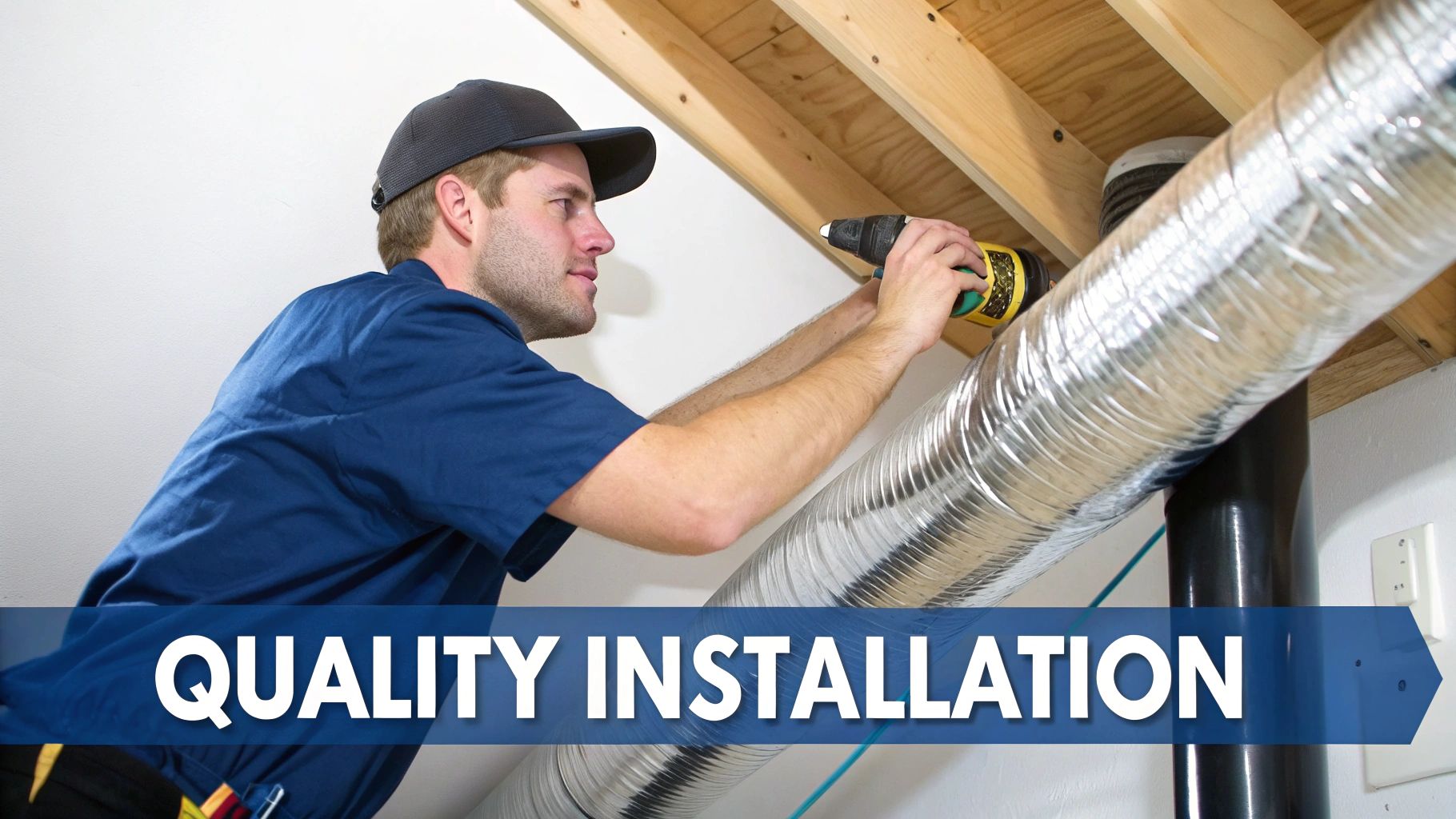
When you’re comparing quotes for a new ducted system, it’s natural to focus on the price of the unit itself. But here’s something we’ve seen countless times: the most advanced, energy-efficient system in the world will perform terribly if the installation is rushed or sloppy.
A quality installation isn't just the final step; it's the absolute foundation of your system's performance, efficiency, and lifespan.
Poor workmanship is the root cause of almost every common problem we're called out to fix, from annoying rattles and whistles to major performance failures. Incorrectly sealed or poorly designed ductwork, for example, can leak up to 20-30% of the cool air straight into your roof space. This forces your system to work overtime just to cool your home, driving up power bills and putting a huge strain on expensive components.
The True Cost of Cutting Corners
A cheap installation quote often just hides future expenses. Technicians cutting corners might use flimsy, substandard materials, rush the ductwork design, or fail to properly balance the airflow to each room.
This is why some homes end up with one room feeling like a freezer while another down the hall is stuffy and warm. It completely defeats the purpose of a whole-home solution.
Ultimately, these shortcuts lead to more frequent breakdowns, higher running costs, and a much shorter life for your system. The money you thought you saved upfront quickly vanishes in repair bills and inflated energy costs.
What Sets a Professional Installation Apart
A professional installation is an exercise in precision, planning, and compliance. With over 15 years of experience here on the Central Coast, our approach at ALC Air is meticulous and built for long-term reliability. We don't just connect boxes; we engineer a complete comfort system tailored to your home.
This includes:
- Meticulous Ductwork Design: We carefully plan the layout of your ducts to ensure smooth, balanced, and quiet airflow reaches every single outlet. No hot spots, no cold spots.
- Adherence to Australian Standards: All electrical work is performed by a licensed electrician in strict compliance with AS/NZS 3000, and all refrigerant is handled by ARCtick certified technicians, as required by law.
- SafeWork NSW Compliance: We follow all safety protocols to protect our team and your property throughout the entire installation process.
A professional installation ensures your system runs at peak efficiency from day one, delivering the comfort you paid for without the hidden costs of poor craftsmanship. It’s the best insurance policy for your investment.
Choosing the right installer is just as important as choosing the right brand. You can explore our advice on how to find a quality air conditioning service on the Central Coast to learn exactly what to look for. Investing in a quality installation from a trusted local team guarantees your ducted system will be a source of comfort, not frustration, for many years to come.
Got Questions About Ducted Air Conditioning? We've Got Answers
It’s a big decision, so naturally, you’re going to have questions about the cost and process. We get it. To help clear things up, here are some honest answers to the most common questions we hear from homeowners across NSW.
Are There Any Government Rebates Or Financing Options Available In NSW?
Yes, there often are. Homeowners in NSW can sometimes access rebates through various energy-saving schemes when they install a high-efficiency system. These programs are designed to encourage energy-efficient choices, but they can and do change. We always recommend checking the official NSW Government energy website for the most current offers.
Here at ALC Air, we can also walk you through financing options to help spread out the investment, making it a bit easier on the household budget. When we prepare your free quote, we’ll be sure to include any info on current schemes you might be eligible for.
How Long Does A Typical Ducted Air Conditioning Installation Take?
For a standard single-storey home, a full ducted air con installation is usually a one to two-day job.
If we’re working on a larger or more complex property, like a two-storey house or a home with tricky roof access in Newcastle, it might stretch to two or three days. We’ll give you a clear, realistic timeline with your quote and our team works efficiently to keep the disruption to your daily life as minimal as possible.
Can I Install Ducted Air Conditioning In An Existing Home?
Absolutely. While it’s certainly simpler to install ducted air con during a new build, it can be retrofitted into most existing homes without any trouble. The main thing we need is enough space in the ceiling cavity or under the floor for the ductwork and the indoor unit.
Our technicians are experts at assessing existing homes to figure out the best way to design a seamless and effective retrofit. We’ll find a way to integrate the system with the least possible impact on your home’s structure and look.
Ready to get a clear, fixed price for your home? The team at ALC Air is here to provide a detailed, no-obligation quote tailored to your specific needs.